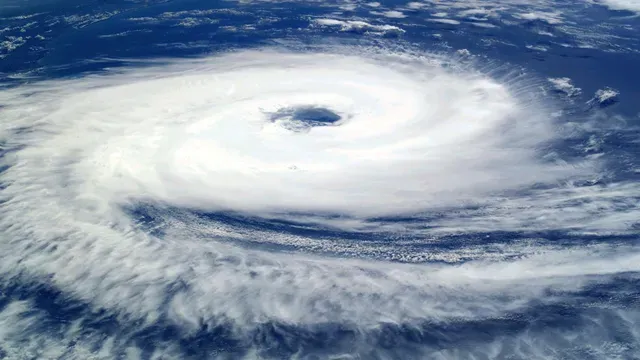
A low-pressure system has formed over the Bay of Bengal, raising concerns over potential weather disturbances along India’s eastern coastline. The India Meteorological Department (IMD) has confirmed the system’s development but has yet to provide clarity on its possible impact on Odisha or the likelihood of it intensifying into a cyclonic storm. Forecasters are monitoring atmospheric conditions closely, as the system could influence rainfall patterns, coastal winds, and maritime activities in the region. Authorities are on alert, emphasizing preparedness and early warnings for communities along the coast, reflecting the ongoing importance of proactive disaster management amid changing weather dynamics.
Development of the Low-Pressure System
On November 22, meteorologists identified a low-pressure area over the Bay of Bengal, characterized by converging winds and rising atmospheric instability. The system exhibits moderate convection and is moving slowly toward the northwest. While it has not yet intensified into a cyclonic formation, the conditions are being closely monitored due to the Bay’s history of sudden storm developments during this season.
IMD Observations and Forecast Uncertainty
The India Meteorological Department has confirmed the formation but has refrained from issuing definitive predictions regarding the system’s trajectory or potential landfall. Experts cite the need for additional satellite data and oceanic temperature assessments before forecasting whether the system could evolve into a cyclone. The IMD has indicated that updates will follow as more observational data becomes available.
Potential Impact on Odisha and Eastern Coast
While the system is not immediately threatening, its proximity to Odisha has prompted caution. Coastal districts may experience intermittent rainfall, gusty winds, and heightened sea conditions, affecting fishing and shipping activities. Authorities are advising communities and port authorities to remain alert and adhere to early-warning advisories as conditions evolve.
Preparedness and Monitoring Measures
Disaster management teams are on standby, and meteorological offices are coordinating with local administration to ensure timely alerts. Emergency response protocols are being reviewed, highlighting the importance of readiness even in the early stages of weather disturbances. This proactive approach underscores the growing emphasis on mitigating risks from sudden weather anomalies in the Bay of Bengal region.
Comments