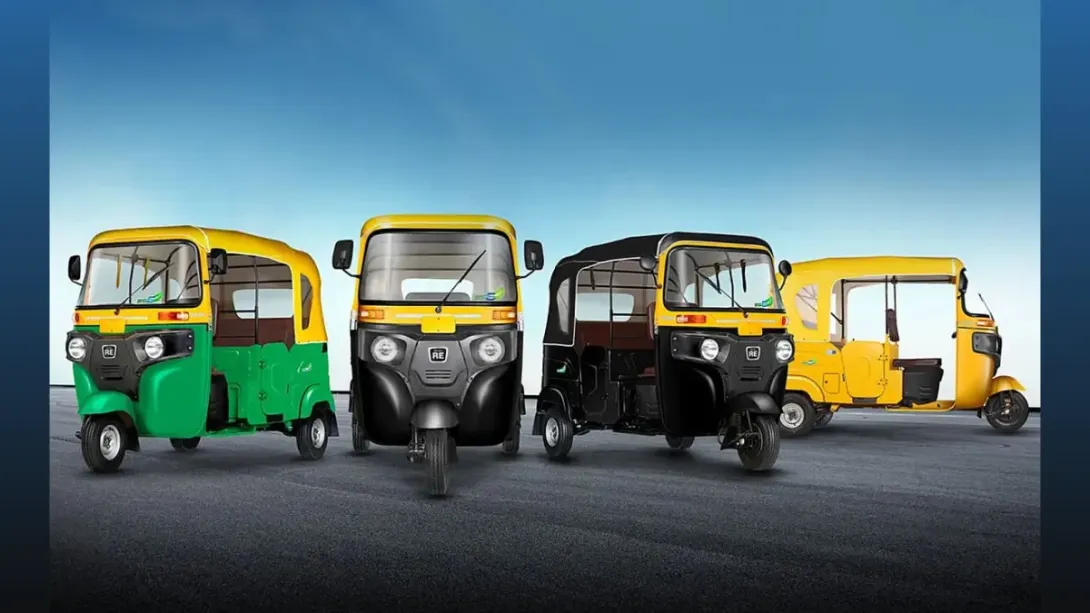
India’s electric vehicle ambitions are colliding with ground-level policy realities, according to senior leadership at Bajaj Auto. The company has cautioned that Maharashtra’s electric vehicle (EV) framework is falling short of its objectives, citing inconsistent incentives, weak charging infrastructure, and regulatory uncertainty. These gaps, Bajaj argues, risk slowing investment, distorting competition, and undermining consumer confidence at a critical stage of the EV transition. The warning comes as states compete aggressively to attract clean mobility capital. The broader message is clear: without coherent execution, ambitious EV targets could translate into lost economic and industrial momentum rather than sustainable growth.
Bajaj’s Assessment of Maharashtra’s EV Framework
Bajaj Auto has raised pointed concerns over the effectiveness of Maharashtra’s EV policy, arguing that its design and execution lack the consistency required to support large-scale manufacturing and adoption. While the policy signals intent, Bajaj contends that frequent revisions, delayed disbursements, and unclear eligibility criteria have diluted its impact. For manufacturers planning multi-year investments, such uncertainty complicates capital allocation and long-term strategy.
Incentives That Fail to Incentivize
At the heart of the criticism lies the structure of state incentives. According to Bajaj, subsidies and tax benefits are not sufficiently predictable or timely to influence corporate decision-making. When incentives are announced without reliable implementation mechanisms, they lose credibility. This not only affects automakers but also suppliers across the EV value chain, from battery manufacturers to component vendors, who depend on policy stability to justify capacity expansion.
Infrastructure Bottlenecks and Consumer Confidence
Bajaj also highlighted the slow pace of charging infrastructure deployment. Limited public charging stations, uneven geographic coverage, and delays in grid readiness have constrained consumer adoption. Without visible, reliable infrastructure, buyers remain hesitant—particularly in mass-market segments where range anxiety and cost sensitivity are pronounced. The result is a policy ecosystem that promises scale but delivers fragmentation.
Competitive Federalism at Risk
Maharashtra has long positioned itself as an automotive and manufacturing hub. Bajaj’s warning suggests that policy underperformance could erode this advantage, especially as other states offer clearer, more execution-driven EV frameworks. In an era of competitive federalism, capital is mobile, and manufacturers are increasingly selective about where they place new EV investments.
The Broader Economic Implication
Beyond vehicles, the EV transition is about jobs, technology leadership, and supply-chain localization. Bajaj’s critique underscores a larger risk: if policies fail to translate intent into action, India could miss a narrow window to anchor high-value EV manufacturing domestically. For Maharashtra, the message is not merely corrective but strategic—policy credibility will determine whether ambition converts into industrial leadership.
A Call for Policy Reset
Bajaj’s intervention should be read less as corporate dissent and more as a call for recalibration. Clear timelines, enforceable incentives, and coordinated infrastructure planning could restore momentum. As the EV race accelerates, the margin for policy error is shrinking. For Maharashtra, refining execution may be the difference between leading India’s electric future and watching it unfold elsewhere.
Comments