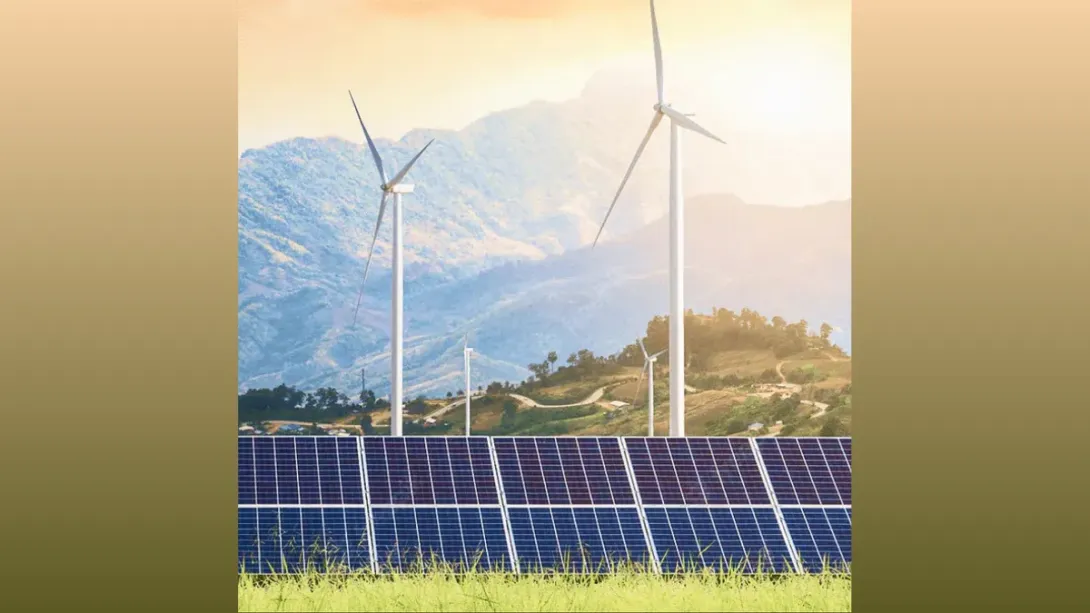
Avaada Energy, a prominent renewable energy developer in India, has successfully commissioned multiple solar power plants in Maharashtra, significantly expanding its footprint in the country’s clean energy sector. The projects, part of Avaada’s broader strategy to accelerate sustainable power generation, are expected to enhance regional energy reliability while supporting India’s net-zero and renewable energy targets. With the addition of these facilities, Avaada strengthens its position as a leading solar energy player, demonstrating both technical capability and operational efficiency. The commissioning is poised to contribute to lowering carbon emissions and advancing India’s transition to a sustainable energy ecosystem.
---
Project Details
Developer: Avaada Energy
Location: Maharashtra, India
Capacity: Multiple solar power plants, cumulative capacity unspecified
Technology: High-efficiency photovoltaic panels with advanced tracking systems
Operational Timeline: Plants commissioned recently and now fully operational
Purpose: Increase renewable energy supply and support state and national energy targets
---
Strategic Implications
Market Leadership: Avaada’s commissioning underlines its capability to deliver large-scale solar projects efficiently, consolidating its leadership in India’s renewable energy landscape.
Policy Alignment: The initiative aligns with India’s National Solar Mission and the government’s push for 500 GW of renewable capacity by 2030.
Economic & Environmental Impact: Beyond energy generation, the plants contribute to job creation, regional development, and reduced carbon emissions, enhancing sustainability credentials.
---
Industry Outlook
The Indian solar sector continues to attract robust investment and policy support. Analysts note that operational projects like Avaada’s in Maharashtra not only strengthen energy security but also serve as benchmarks for efficiency and scalability in renewable infrastructure. The continued deployment of solar projects is expected to accelerate India’s clean energy adoption, create investment opportunities, and support international ESG commitments.
Comments