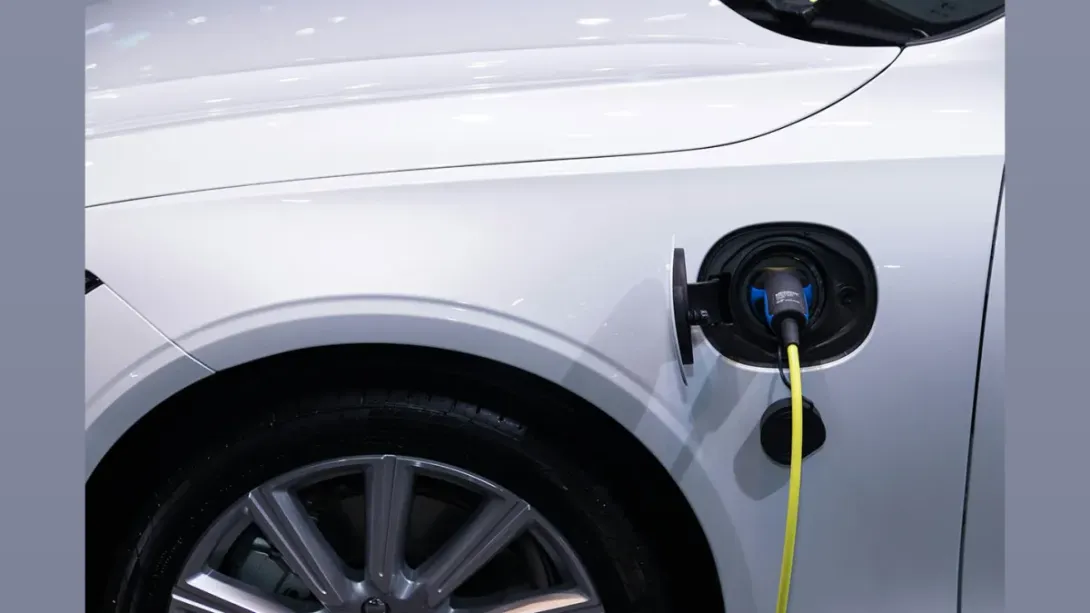
India’s automobile sector is poised for transformation as the government announces a revamp of the Production-Linked Incentive (PLI) scheme, aiming to boost electric vehicle (EV) production, hybrid technologies, and green mobility solutions. The revised framework emphasizes sustainability, domestic manufacturing, and innovation, offering higher incentives for EVs, batteries, and critical components. Industry experts note that the move could accelerate adoption of clean mobility, reduce import dependency, and enhance India’s global competitiveness in the EV market. Analysts expect the policy revision to stimulate investments, drive R&D in next-generation mobility technologies, and strengthen the country’s transition toward a low-carbon transportation ecosystem.
PLI Scheme Revamp Overview
The government’s revised PLI scheme focuses on promoting electric and hybrid vehicle manufacturing, with a structured incentive matrix for EVs, batteries, and key components. The revamp aligns financial rewards with production volumes, technology advancement, and localization targets, encouraging manufacturers to scale operations domestically while adopting sustainable technologies.
Driving Green Mobility
- Incentive Enhancement: Higher subsidies for EVs, hybrid vehicles, and critical battery technologies.
- Domestic Manufacturing Push: Encourages local production of components, reducing import reliance and supply chain risks.
- R&D Encouragement: Allocations for next-generation technologies, including solid-state batteries, advanced drivetrains, and charging infrastructure.
Comments