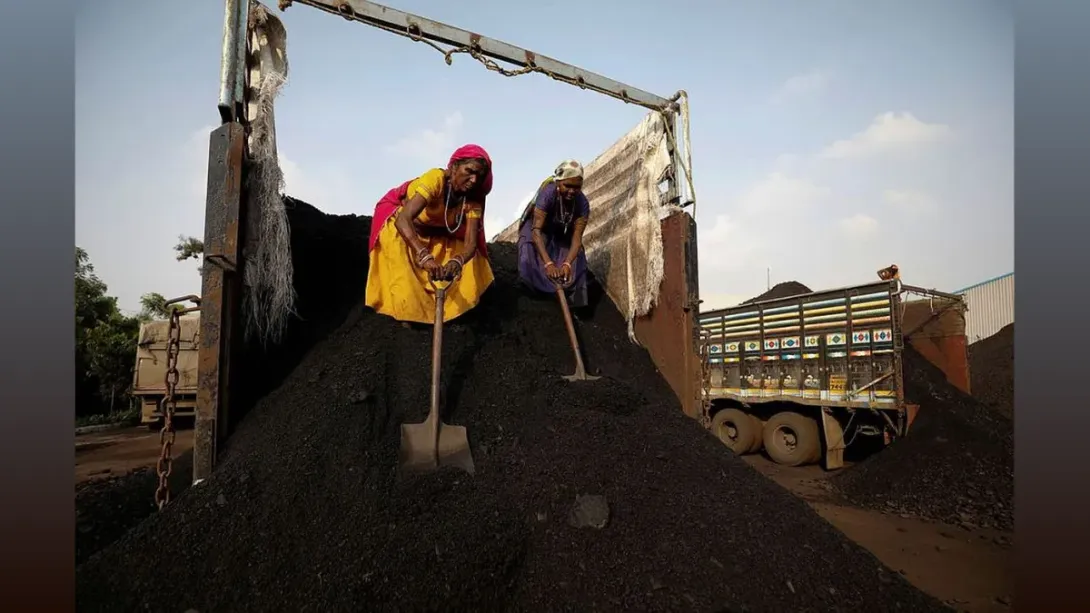
Arunachal Pradesh has inaugurated a strategically important coal mining block, marking a significant milestone in the state’s resource development and industrial strategy. The new coal block is expected to generate substantial revenue streams for the state government while supporting local employment and infrastructure growth. Strategically located to enhance domestic energy supply chains, the project aligns with India’s broader energy security and industrialization objectives. With robust operational planning, environmental safeguards, and community engagement measures in place, the coal block is poised to contribute to both economic development and regional industrial diversification, strengthening Arunachal Pradesh’s role in India’s mineral economy.
---
1. Strategic Importance of the Coal Block
The newly inaugurated coal block in Arunachal Pradesh represents a major addition to India’s mineral resource portfolio. The block’s location, rich in high-quality coal deposits, is expected to facilitate supply to regional industries, power plants, and emerging manufacturing units.
State authorities anticipate that the project will not only enhance energy self-sufficiency but also serve as a catalyst for related infrastructure development, including transportation, warehousing, and logistics. This initiative reflects a strategic approach to leveraging natural resources for long-term economic gains.
---
2. Revenue Potential and Economic Impact
The coal block is projected to generate substantial revenue for the state, contributing significantly to Arunachal Pradesh’s fiscal stability. Estimates indicate that royalties, taxes, and lease-related income could collectively run into several hundred crore rupees annually, providing financial resources for public services and infrastructure projects.
Beyond fiscal benefits, the project is expected to create direct and indirect employment opportunities, particularly in mining operations, transportation, and ancillary industries. This employment generation is critical in supporting local communities and fostering inclusive economic growth.
---
3. Enhancing India’s Energy and Industrial Security
India’s demand for domestic coal continues to rise, driven by energy, steel, and industrial sectors. The Arunachal coal block is strategically positioned to supplement supply chains in the northeastern region and beyond, reducing dependency on imports and long-distance transportation from other coal-rich states.
The block’s development aligns with national energy security goals and supports regional industrialization, offering a reliable source of fuel for power generation, cement manufacturing, and other high-demand industries.
---
4. Sustainable Mining and Community Engagement
State authorities have emphasized that the coal block will operate with strict environmental safeguards. Measures include land reclamation, pollution control, and sustainable mining practices to minimize ecological impact.
Additionally, the project incorporates community development initiatives, such as skill-building programs, local hiring policies, and infrastructure support for nearby villages. These measures aim to ensure that economic benefits are shared equitably while maintaining environmental stewardship.
---
5. Outlook and Long-Term Significance
The inauguration of the Arunachal coal block signals a new phase of resource-led growth in the state. With careful operational planning, robust governance, and strategic industrial linkages, the project is positioned to contribute to both state revenue and regional development.
Analysts note that leveraging such mineral assets responsibly could enhance Arunachal Pradesh’s standing as a resource-rich, economically vibrant state, while supporting India’s broader industrial and energy objectives.
---
Conclusion
Arunachal Pradesh’s new coal block marks a strategic milestone in energy and economic planning. By generating revenue, creating jobs, and supporting regional industrial growth, the project exemplifies how natural resource development, when paired with sustainability and community engagement, can drive inclusive and long-term economic progress.
Comments