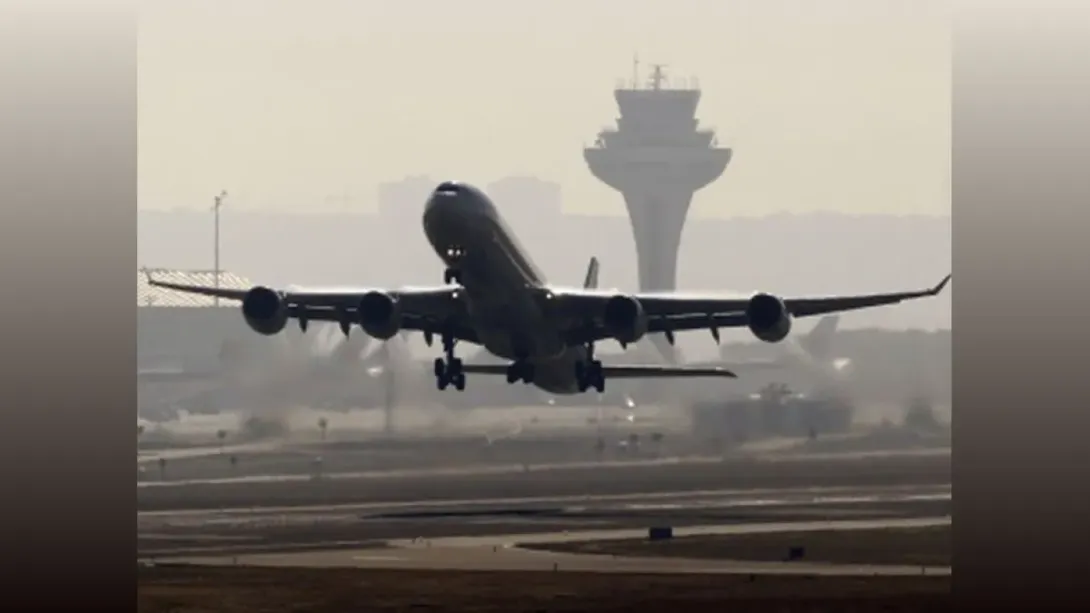
Air India has temporarily canceled its flights to Kathmandu following widespread protests in Nepal, affecting passenger travel and regional connectivity. The suspension, implemented as a precautionary measure, underscores the airline’s focus on passenger safety amid civil unrest. Authorities are monitoring the situation closely, with operations expected to resume once stability is restored. This disruption highlights the sensitivity of international airline schedules to geopolitical and social disturbances. Airlines, governments, and travelers are being urged to remain vigilant, plan alternative routes, and stay updated on evolving conditions, while Air India evaluates options to minimize operational and financial impact.
Safety-First Approach
The airline has cited safety concerns as the primary reason for halting Kathmandu flights. With protests impacting airport access and ground operations, Air India’s decision reflects standard industry protocols prioritizing passenger and crew security. Temporary suspensions in such circumstances are common among international carriers operating in regions experiencing civil disturbances.
Impact on Passengers and Travel Plans
Travelers to and from Kathmandu are facing delays and disruptions. The airline has advised affected passengers to seek alternative flights or rebooking options and stay in contact with customer service for updates. Business travelers and tourists alike are being encouraged to consider contingency plans as the situation evolves.
Regional Connectivity Concerns
Kathmandu serves as a key hub for regional connectivity, linking India with Nepal for business, tourism, and cultural exchange. Flight cancellations have immediate repercussions on trade, tourism, and cross-border movement. Airlines and authorities are coordinating to mitigate disruptions and restore operational continuity as soon as it is safe.
Industry Response and Operational Measures
Air India is coordinating with aviation authorities, airport management, and security agencies to assess the situation on the ground. Contingency measures include rescheduling flights, rerouting aircraft where feasible, and enhancing communication with passengers to manage expectations during the suspension period.
Conclusion
Air India’s temporary cancellation of Kathmandu flights underscores the importance of safety and operational prudence in the aviation sector. While the disruption affects travelers and regional connectivity, the airline’s measured response aims to minimize risk and ensure passenger well-being, with resumption contingent on the restoration of stability in Nepal.
Comments