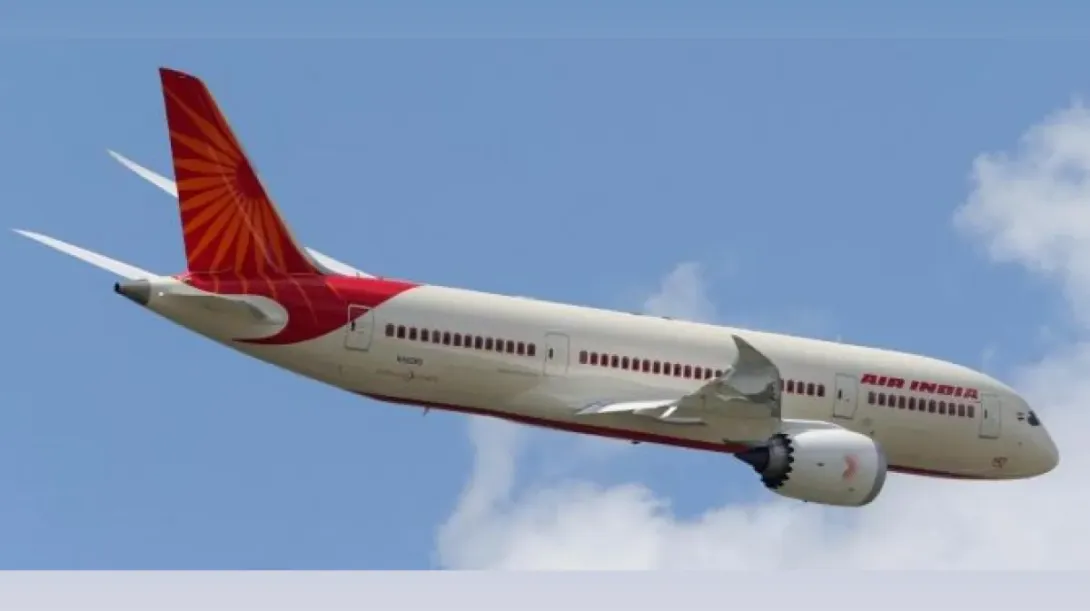
An official investigation into the recent Air India Boeing 787 incident has concluded that the aircraft did not suffer from any mechanical or technical malfunction, steering attention toward operational and human factors as probable causes. The Aircraft Accident Investigation Bureau (AAIB) report underscores that all critical systems on the Dreamliner were functioning normally at the time of the crash. While absolving the aircraft of design or maintenance shortcomings, the findings raise important questions about procedural adherence and cockpit decision-making. Aviation analysts believe this report will intensify focus on training protocols, situational awareness, and the rigorous enforcement of safety checklists.
---
Mechanical Systems Cleared After Detailed Examination
In its comprehensive analysis, the AAIB confirmed that the Boeing 787’s engines, avionics, flight control systems, and structural integrity were all within prescribed operational parameters. Extensive data retrieved from the flight data recorder (FDR) and cockpit voice recorder (CVR) showed no evidence of mechanical irregularities or sudden technical failures that could have led to the accident.
Investigators also verified maintenance logs and recent inspections, finding them fully compliant with regulatory norms. This effectively rules out equipment malfunction, shifting the investigative lens to factors involving crew performance and procedural execution.
---
Attention Shifts to Operational Dynamics and Human Error
With mechanical issues eliminated, the AAIB report delves into pilot actions and decision chains. Preliminary assessments indicate possible deviations from standard operating procedures, though a full human factors analysis is still underway. Experts caution that aviation incidents rarely stem from a single lapse, often arising from a combination of stress, miscommunication, and rapid judgment calls under pressure.
Aviation safety consultants point out that modern aircraft are engineered with multiple redundancies, making it unlikely for purely technical problems to cause catastrophic outcomes without concurrent human or operational contributors.
---
Industry Implications and Regulatory Responses
In the aftermath of the findings, regulatory bodies are expected to intensify audits of training modules and emergency preparedness protocols across carriers. Air India, which has cooperated fully with the investigation, has already signaled plans to review its simulator drills and line checks to reinforce cockpit discipline.
This case also highlights the importance of rigorous CRM (crew resource management) practices, which emphasize coordination and error mitigation in complex flight environments. As air travel continues to rebound, industry stakeholders believe strengthening these frameworks will be vital to sustaining India’s strong safety record.
---
Looking Ahead: Maintaining Public Trust and Operational Rigor
While the report brings relief in confirming the aircraft’s mechanical soundness, it simultaneously underscores the relentless vigilance required in aviation operations. For passengers, it reaffirms that aircraft technology remains exceptionally reliable. For airlines and regulators, it is a sharp reminder that procedural compliance and human oversight remain the final and most crucial line of defense.
Experts stress that transparent investigations and the proactive incorporation of lessons learned are essential to preserving public confidence and advancing aviation safety standards in a growing market like India.
Comments