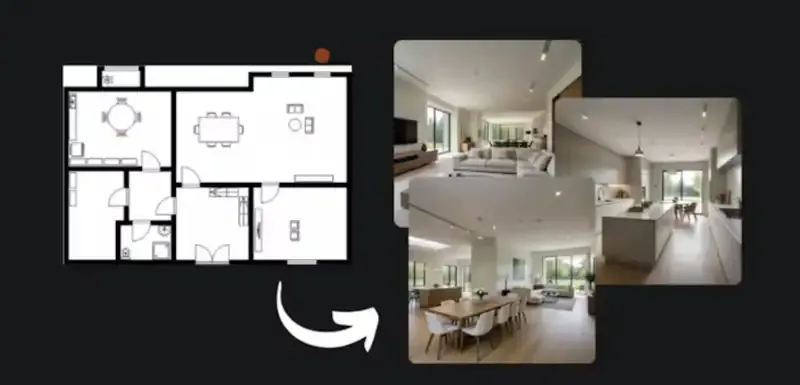
The global interior design market is undergoing a transformative shift with the integration of artificial intelligence (AI), creating new opportunities for designers, homeowners, and enterprises. AI-powered platforms are enabling rapid visualization, predictive modeling, and personalized design recommendations, streamlining workflows while enhancing creativity. Analysts predict that the market will witness significant growth in 2025, driven by rising demand for smart homes, digital collaboration tools, and data-driven design solutions. By leveraging machine learning, generative design, and virtual reality, AI is redefining aesthetics, functionality, and efficiency in interior design, while lowering costs and increasing accessibility for both professionals and consumers across diverse geographies.
Market Growth and Drivers
The AI-driven interior design sector has seen accelerated adoption due to increased digitalization and consumer demand for personalized, functional spaces. Platforms now use AI algorithms to generate optimized layouts, material suggestions, and 3D visualizations within minutes, reducing traditional project timelines.
Key drivers include rising urbanization, the proliferation of smart home technologies, and growing adoption of online design services, particularly in high-income and digitally connected markets.
Technological Innovations
AI applications in interior design encompass several advanced technologies:
- Generative Design: AI models create multiple design options based on user preferences, spatial constraints, and functional requirements.
- Virtual and Augmented Reality: Allows clients to experience spaces in immersive 3D before implementation.
- Predictive Analytics: Forecasts material performance, lighting, and ergonomic efficiency to optimize design outcomes.
- Automation Tools: Streamline repetitive tasks like budgeting, sourcing, and compliance documentation.
These innovations enhance decision-making, reduce human error, and empower designers to focus on creative aspects.
Market Opportunities and Business Implications
The AI interior design market is attracting investments from startups and established software firms, eager to capture market share in residential, commercial, and hospitality segments. Businesses integrating AI tools can deliver faster, cost-effective, and highly customized solutions, improving client satisfaction and operational efficiency.
Analysts also note opportunities in subscription-based SaaS platforms, collaborative design ecosystems, and AI-driven furniture and décor recommendations, creating new revenue streams.
Challenges and Regulatory Considerations
Despite rapid adoption, challenges remain, including data privacy, algorithmic bias, and intellectual property concerns. Standardizing AI-driven design practices and ensuring compliance with local building codes are critical for sustainable growth.
Consumer trust and transparency in AI recommendations will also play a decisive role in long-term adoption.
Outlook: Shaping the Future of Interior Design
The AI-powered interior design market is poised for significant expansion, redefining how spaces are conceptualized, visualized, and executed. By combining creativity with computational efficiency, AI solutions are democratizing design, reducing costs, and accelerating project timelines.
As adoption increases, AI is expected to become an integral tool for designers, architects, and homeowners, fostering innovation, improving client experiences, and driving growth in one of the most dynamic sectors of the creative economy.
Comments