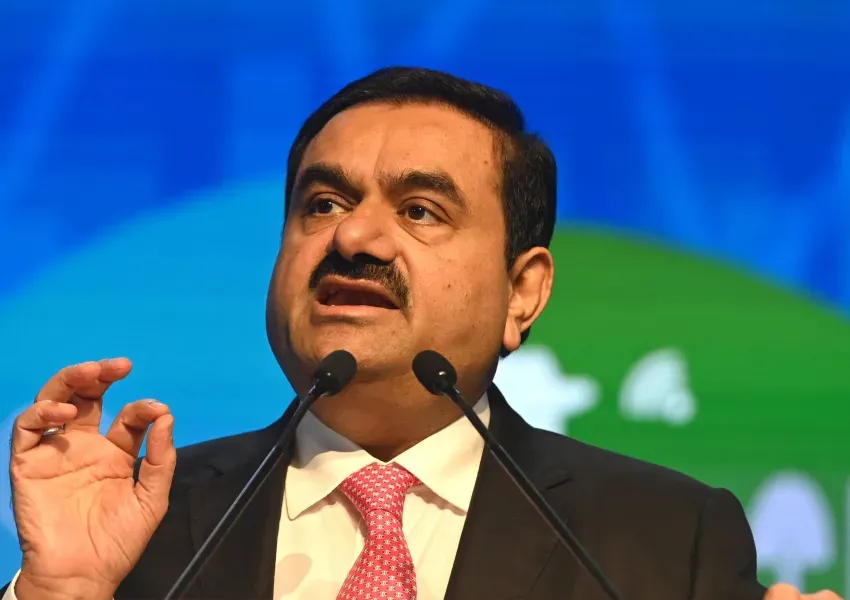
The Adani Group has announced ambitious plans for the development and operational expansion of its Freight Smart Transport Corridor (FSTC), aiming to enhance India’s logistics efficiency and industrial connectivity. The initiative is designed to streamline freight movement, integrate advanced digital tracking, and optimize supply chain operations across key industrial hubs. Analysts indicate that this move reflects Adani’s long-term strategy to consolidate its leadership in infrastructure and logistics, leveraging technology and scale to reduce costs and improve transit times. The FSTC project is expected to attract investment, generate employment, and strengthen India’s freight transport ecosystem while supporting sustainable growth objectives.
FSTC: Transforming Freight Logistics
Adani Group’s FSTC initiative is poised to redefine freight transportation in India by introducing state-of-the-art infrastructure, high-capacity corridors, and digital monitoring systems. The project focuses on reducing transit times, enhancing cargo security, and ensuring seamless integration between ports, industrial zones, and inland distribution centers.
Industry observers note that by implementing smart logistics solutions, the FSTC will address chronic challenges in India’s freight movement, such as congestion, delays, and inefficiencies.
Strategic and Economic Implications
The FSTC is expected to significantly boost operational efficiency, enabling industries to reduce logistics costs and improve supply chain predictability. Analysts highlight that Adani’s investment in this corridor aligns with broader government objectives to enhance infrastructure, support industrial growth, and increase competitiveness in domestic and international markets.
Furthermore, the initiative is likely to attract private and institutional investors interested in long-term infrastructure projects, reinforcing India’s position as a growing hub for logistics innovation.
Technology Integration and Sustainability Focus
Adani Group plans to leverage digital tracking, automated cargo management, and predictive analytics to optimize freight operations across the FSTC. These measures are intended to minimize downtime, enhance cargo security, and improve real-time operational oversight.
Additionally, sustainability is central to the project, with initiatives aimed at reducing carbon emissions through efficient transport scheduling, electric vehicle integration, and renewable energy utilization along the corridor.
Job Creation and Regional Development
Beyond logistics efficiency, the FSTC is anticipated to generate significant employment opportunities across construction, operations, and technology management. Analysts suggest that improved industrial connectivity will also stimulate regional development, encouraging investment in ancillary industries, warehousing, and manufacturing clusters along the corridor.
The project exemplifies the potential for private sector-led infrastructure development to drive inclusive economic growth while enhancing national competitiveness.
Looking Ahead: FSTC’s Role in India’s Logistics Future
Adani Group’s FSTC plans position the company at the forefront of India’s logistics transformation. By combining scale, technology, and sustainable practices, the initiative is expected to set new benchmarks for efficiency and reliability in freight transport.
As the project progresses, stakeholders—including investors, industrial players, and policymakers—will closely monitor the corridor’s impact on cost reduction, supply chain modernization, and India’s broader infrastructure landscape.
Comments