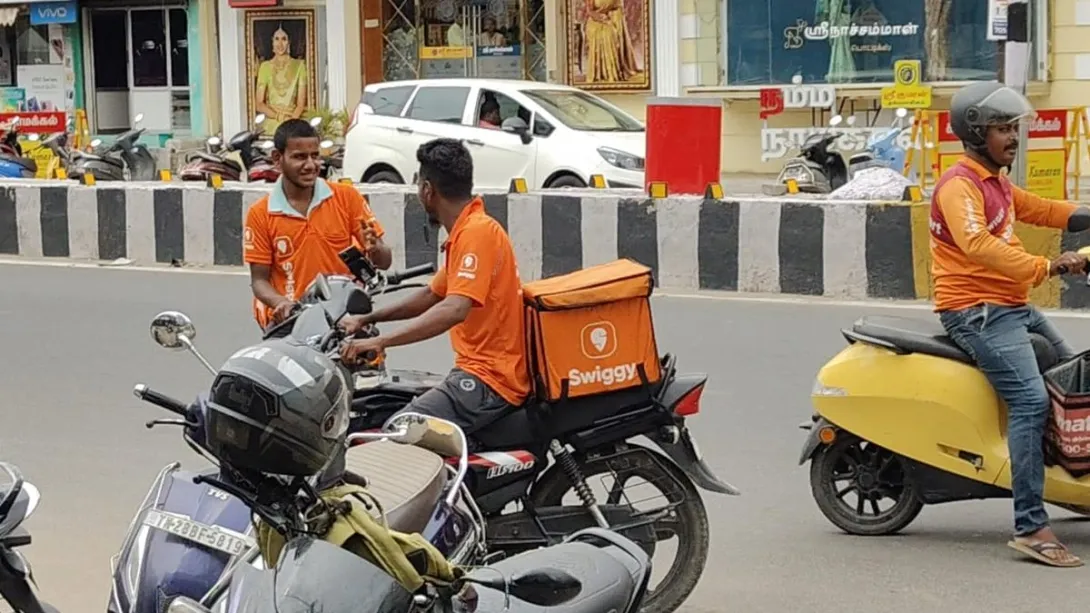
In a bold stand against rising operational costs, restaurants in Namakkal, Tamil Nadu, have ceased food delivery services via leading online aggregators Swiggy and Zomato. The move, which took effect on July 1, follows a growing outcry among local restaurant owners over steep commission rates, delayed payments, and hidden advertising charges. Despite earlier warnings and attempts at negotiation, talks between restaurant representatives and the platforms failed, prompting the indefinite suspension of services. The protest highlights larger tensions between small food businesses and digital platforms in India’s fast-growing food delivery economy, as stakeholders struggle to reconcile cost structures with sustainability.
Dispute Over Commission Rates Escalates
The decision to sever ties with Swiggy and Zomato was made official after an emergency meeting held by the Town and Taluk Hotels and Bakery Owners Association on June 23. Led by President M. Ramkumar, the association expressed growing dissatisfaction with the operational model imposed by food aggregators, particularly the lack of transparency in pricing and commission structures.
Restaurant owners alleged that commission fees vary arbitrarily from one eatery to another, leading to inconsistencies and erosion of profit margins. In addition to commission, online platforms reportedly levy advertising and promotional fees, which further compress earnings.
Financial Strain and Operational Challenges
According to Arulkumaran, the association’s secretary, the financial burden has become increasingly unsustainable for small and mid-sized restaurants. “Eateries are already operating on thin margins. When commissions and advertising charges are deducted, there's little left for the business to survive on,” he noted.
He highlighted that in Namakkal taluk alone, 85 restaurants participate in online food sales, generating daily transactions worth approximately Rs. 10 lakh. However, delayed settlements—sometimes up to a week after sales—are straining liquidity for restaurant operators, many of whom rely on daily cash flow for procurement and wage payments.
Protest Gains Momentum with Full Suspension
As of July 1, restaurants have indefinitely suspended all food orders routed through Swiggy and Zomato. This includes not only new orders but also deliveries that had been previously scheduled or accepted. The decision marks a significant escalation in the standoff, underlining the severity of discontent among food service providers.
While some customers expressed disappointment over the disruption, many local diners supported the restaurants’ call for fairer business practices.
Broader Industry Context
This protest mirrors broader concerns within India’s hospitality and food service industry regarding the power dynamics between aggregators and small businesses. Online platforms have revolutionized food delivery and expanded market access, but critics argue that the benefits are not equally distributed.
Smaller operators often lack negotiating leverage and face unfavorable payment terms, steep marketing costs, and inconsistent algorithmic exposure. The Namakkal protest could prompt similar actions in other regions unless platforms recalibrate their models to foster more equitable partnerships.
The Way Forward: Need for Equitable Collaboration
The stalemate in Namakkal is a microcosm of a larger structural issue in India’s digital economy—how to balance the scale and efficiency of platforms with the sustainability of local businesses. For food delivery to thrive long term, aggregators must align their revenue models with the financial realities of their restaurant partners.
Policy support, greater transparency, and standardized commission frameworks could pave the way for improved relations. In the absence of reform, discontent could fester into a wider movement, threatening the growth trajectory of food tech in India’s semi-urban markets.
Conclusion
Namakkal’s restaurant owners have made a clear statement: sustainability must come before scale. As tensions rise between local businesses and digital platforms, this standoff could serve as a catalyst for deeper reflection across the industry. The future of India’s food delivery ecosystem depends not only on customer demand and technological reach but also on building trust and fairness into the platform-partner relationship.
Comments